Signature Finish Group Camberwell

Heritage painting,
on houses that punish shortcuts.

Victorian, Edwardian, Federation and interwar homes were built with materials that do not behave like modern ones. Treating them as though they do is how detail disappears under a fifth coat.

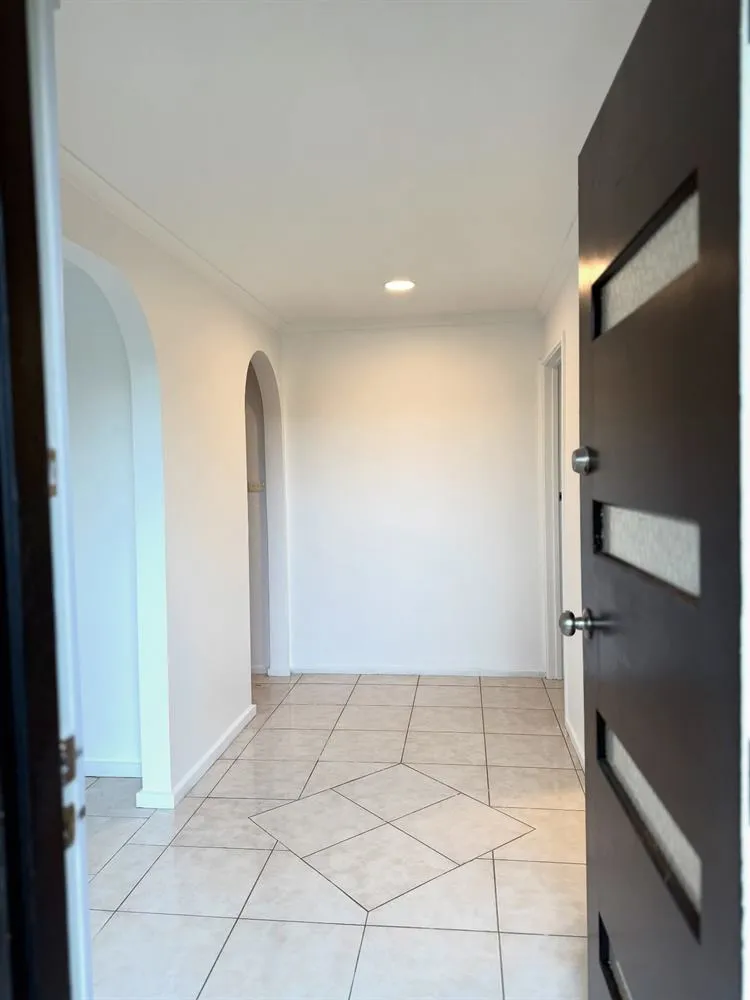
Entry hall with an arched opening, dark timber front door with frosted glazing and a patterned tiled floor.

Why old houses are different

Old buildings
need to breathe.

A modern house is built to keep moisture out. A nineteenth-century one is built to let it move through — solid brick with no cavity, lime mortar, lime render, timber that expands and contracts with the season.

Seal that up with a modern impermeable coating and the moisture does not stop arriving; it just stops leaving. It moves sideways and upward instead, and comes out as blistering paint, spalling brick and damp inside. The paint failure is the symptom people call us about. The cause is usually a decision someone made two coats ago.

So on a genuinely old wall we specify for permeability rather than for the hardest film we can get, and we strip rather than bury. Every coat added to a moulding is detail lost; by the fifth the sharpness the house was built for is simply gone, and getting it back means taking everything off.

What these houses need

Four things
that decide the result.

01

Lead paint, handled properly

Any Australian home painted before 1970 should be assumed to contain lead until testing says otherwise. It is not a reason to panic and it is a reason not to dry-sand.

We test, contain the work area, wet-sand rather than dry-sand, use HEPA extraction, and dispose of the waste through the proper stream. Dry-sanding lead paint on a verandah puts it in the soil of the garden your children play in, and it is the most common corner cut on a heritage repaint.

02

Heritage overlay and permits

A great deal of Melbourne’s period housing sits inside a heritage overlay. Broadly, repainting in the same colour is usually exempt from permit; changing colour on a contributory building sometimes is not, and it turns on the significance of the individual property.

We will tell you what we have seen and then point you at your council, because guessing on a client’s behalf is how people end up painting a facade twice. We can provide documentation to accompany an enquiry.

03

Period-appropriate colour

Victorian, Federation and interwar palettes are all well documented and all quite different from one another, and the major manufacturers publish heritage ranges built from them.

It is not compulsory and we are not precious about it — but a Federation house in a scheme drawn from its own period reads as resolved in a way the same house in a current trend colour does not, and it will still read that way in fifteen years.

04

The detail that makes the house

Cast iron lacework brushed rather than sprayed, because a terrace frieze cannot be sprayed without coating the neighbour. Leadlight surrounds cut by hand against the came, because tape either stops short of the glass or lifts the putty. Timber fretwork primed on its cut ends. Tessellated verandah tiling covered, not painted around.

Each of those is slow, none of them can be done quickly, and together they are most of what a heritage quote actually is.

Repair before paint

Fix it,
then coat it.

01

Timber repair over replacement

Original timber is better than anything available now. Where a sill or sash can be repaired with epoxy consolidant rather than replaced, it is — and it keeps the profile the house was built with.

02

Render made good first

Lime render wants a compatible repair, not a modern cement patch that sits harder than what surrounds it and cracks the original at the edges.

03

Rust treated, not coated

Cast iron, steel window frames and roof-line fixings get rust treated properly. Coated over, it keeps going out of sight until the paint blisters.

04

Putty made good and cured

Glazing putty that has gone chalky or dropped away gets replaced and allowed to cure before paint, rather than painted over in hope.

Next step

Tell us about the house.

Send through a few photos and what you have in mind. We come back within one business day with a written, itemised scope — the product, the number of coats and the sheen level, room by room or elevation by elevation.

Call Get a quote